What are AI Overviews and AI Mode?
AI Overviews are automatically generated answer blocks that appear at the top of Google search results. They summarize complex questions in natural language, often enriched with images, videos, or step-by-step instructions.
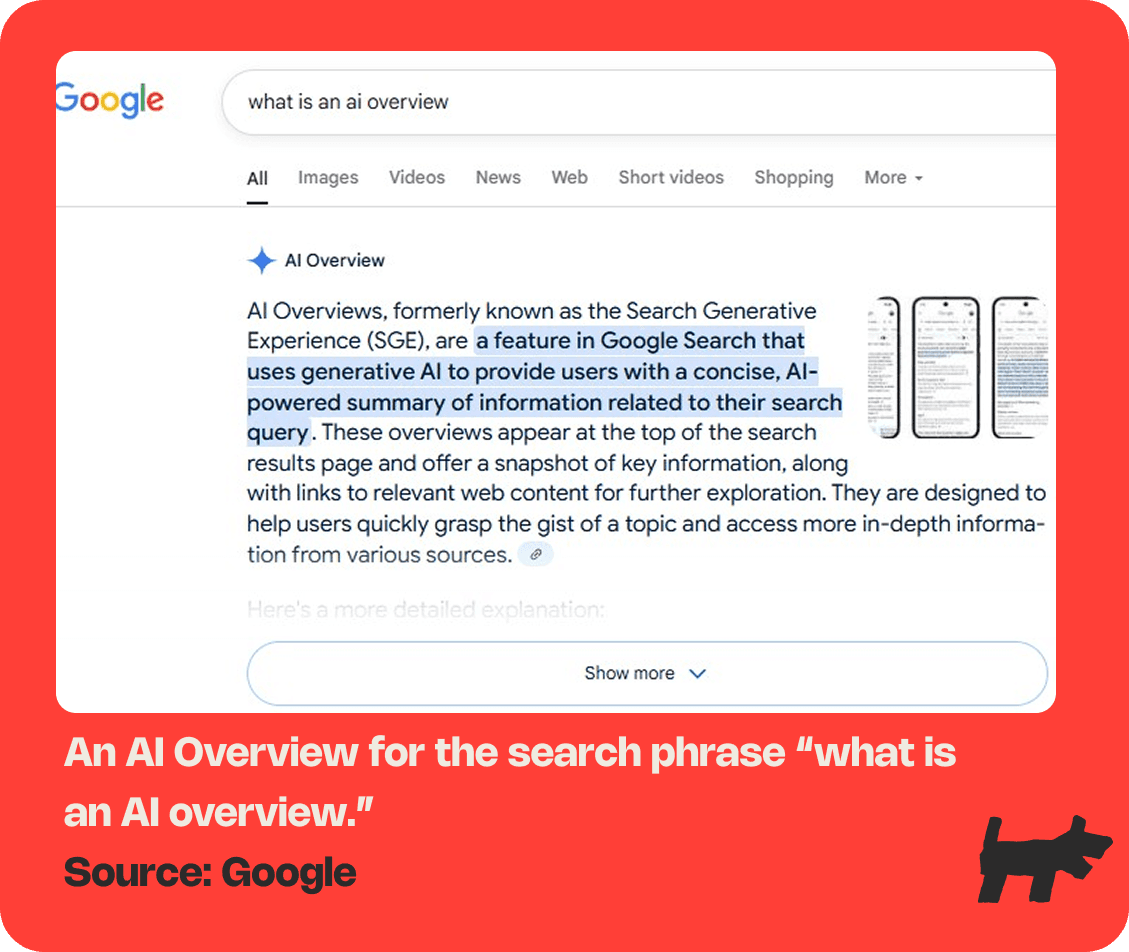
A user searching for expected energy prices in 2027 no longer gets a list of ten links. They get a summarized answer, right there on the page.
AI Mode goes one step further. Users can ask follow-up question after follow-up question and receive increasingly personalized answers. Think of it as ChatGPT integrated directly into Google's live index. The session becomes a conversation, not a query.
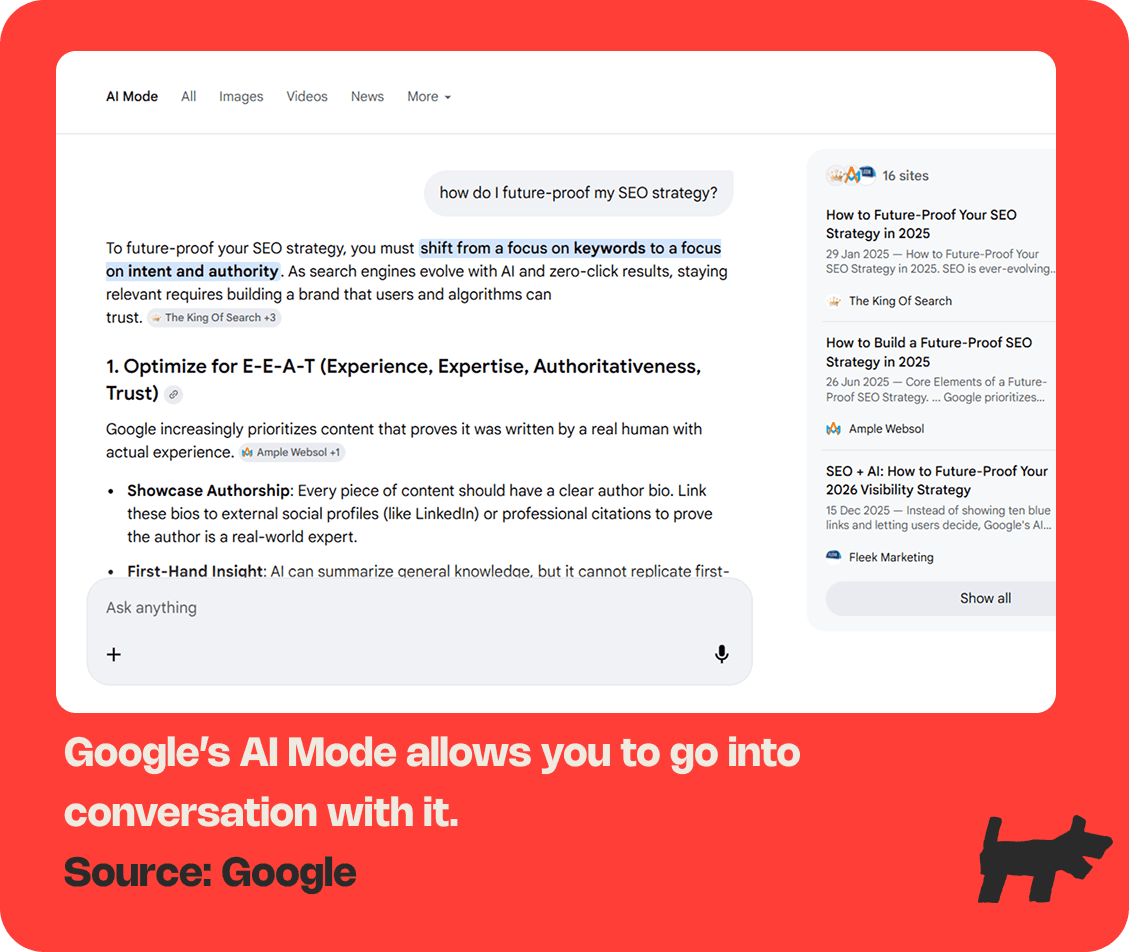
Together, these two features mark a shift from Google as a directory to Google as an answer engine.
What changes for SEA?
Ads are now integrated directly into AI Overviews and into the conversational flow of AI Mode. Not as separate banner units pushed below the fold, but as part of the generated answer itself. A user asking "which running shoes are best for wide feet" may see a product carousel embedded inside the AI's response.
This makes ads feel more native to the user's intent. The placement is contextual, not interruptive.
Campaigns using broad targeting are already eligible for these placements:
Shopping campaigns
Performance Max
AI Max
At Fightclub, our clients running these campaign types are already appearing in AI-driven results. We're monitoring placements and performance in real time as the rollout continues.
One important structural change to plan for: Google is beginning to retire Dynamic Search Ads (DSA) in favor of AI Max. Google has confirmed the gradual phase-out of DSA. If DSA is still a core part of your setup, now is the time to migrate.
What changes for SEO?
Traditional blue-link rankings are being pushed down by AI-generated content. The first visible answer on many informational queries is no longer a website. It's a summary written by Google's AI.
This does not make SEO less important. It makes the quality bar higher.
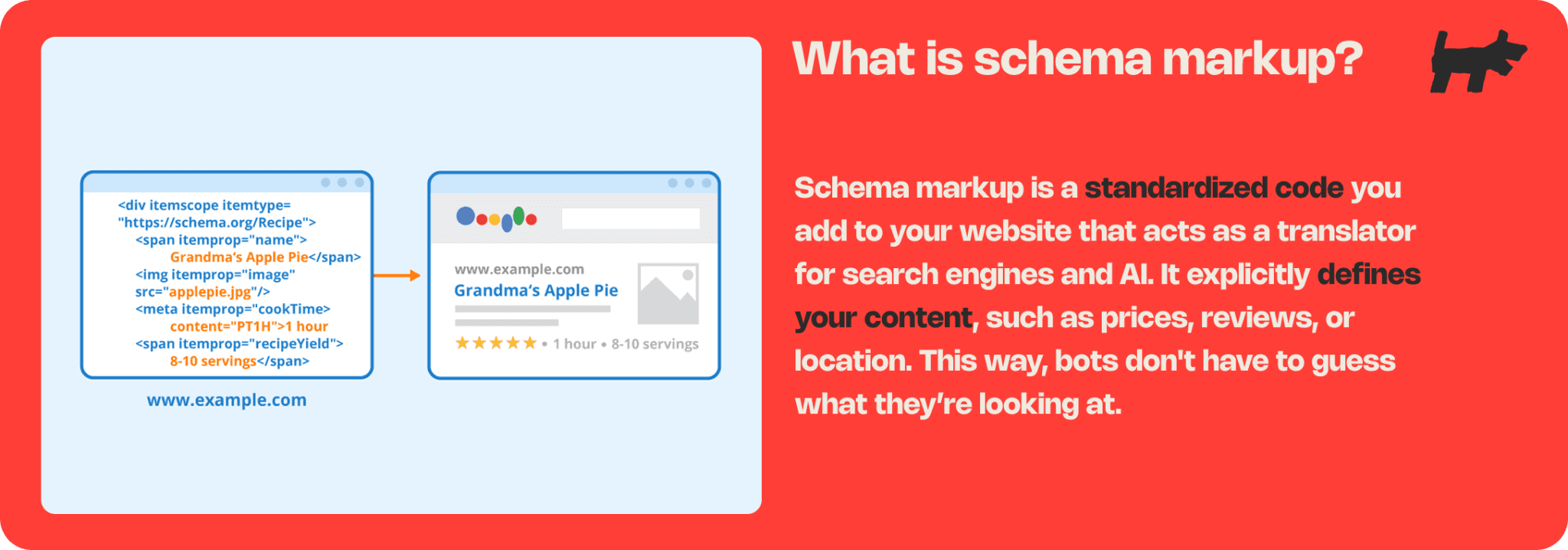
Google's AI still needs credible, well-structured sources to build its answers. Pages that are authoritative, clearly written, and properly structured with schema markup are the raw material the AI draws from. If your content isn't cited-worthy, it won't appear in the AI's response, and it won't rank below it either.
The SEO signals that matter most now:
Structured data and schema markup (the AI needs to parse your content correctly)
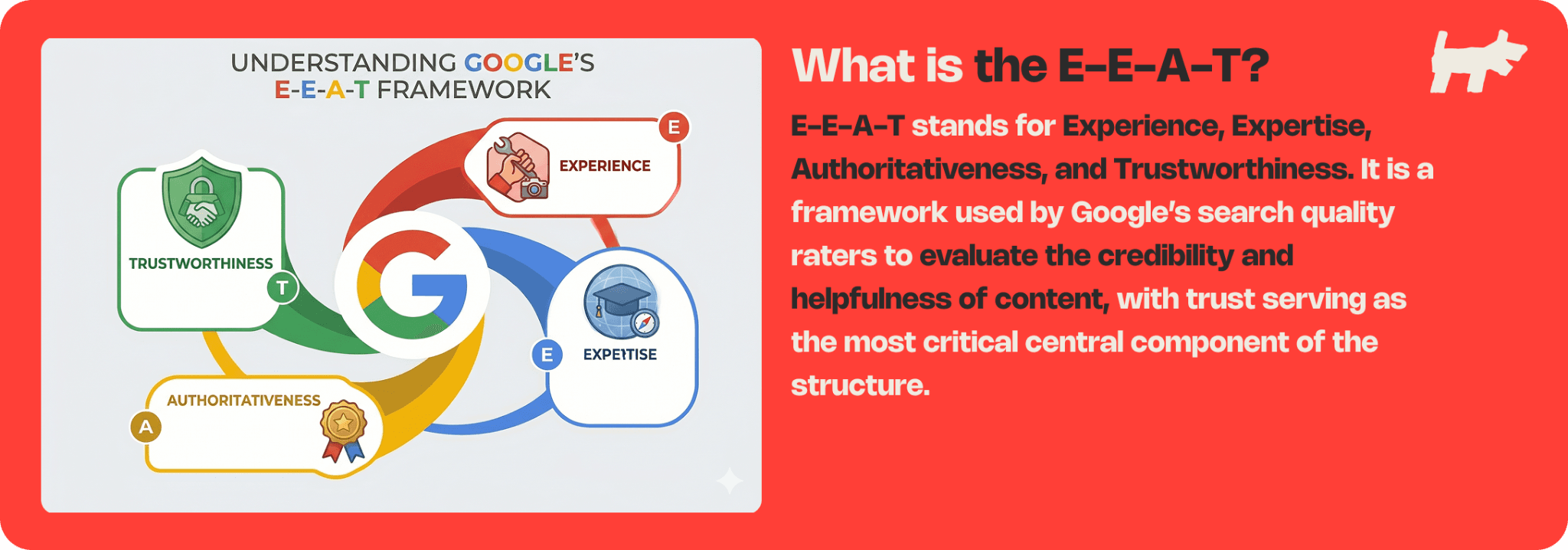
E-E-A-T (Experience, Expertise, Authority, Trustworthiness) as a content standard
Direct, specific answers to real user questions rather than broad topic pages
What is GEO?
GEO (Generative Engine Optimization) is the practice of structuring content so AI systems can cite, quote, and surface it in generated answers. Where traditional SEO targets rankings, GEO targets inclusion inside the AI's response. Both matter now, and they require the same underlying input: high-quality, clearly structured content.
What is a zero-click search, and should you be worried?
A zero-click search happens when a user finds their answer directly in the AI block without clicking through to any website. They got what they needed from Google itself.
This is already widespread. A 2024 study by SparkToro found that 59.7% of all Google searches in the EU were zero-click searches, meaning the majority of queries never produce a website visit at all. The full study is available here.
The concern is real but incomplete. Total traffic volume may decrease. However, the users who do click through have already been filtered by the AI summary. They've read the overview, they understood the answer, and they chose to go deeper. That is a fundamentally more qualified visitor.
In practice: fewer visitors, stronger intent, better conversion rates. The volume metric becomes less useful. Intent quality becomes the number that matters.
Three things you can do today
The AI transformation isn't scheduled for a future update. It's active now. These are the three actions that will have the most impact immediately:
Make your campaigns AI-ready. Switch to broad match, smart bidding, and tools like AI Max. This aligns your targeting with how Google now interprets intent and places ads within conversational results. If you're still running DSA as your primary dynamic format, begin the migration to AI Max now.
Invest in content that genuinely answers real questions. Google's AI pulls from reliable, informative sources. Every page that provides a clear, specific, well-structured answer to a user question is a candidate for AI Overview inclusion. Generic category pages and thin product descriptions are not.
Audit your technical data structure. Clean schema markup, correct structured data, and fast-loading pages are how the AI correctly interprets and credits your content. If your technical SEO has gaps, they will cost you visibility in AI results before they cost you traditional rankings.
Search is changing, so should your content
Search is not going back. AI Overviews are live, AI Mode is expanding, and brands that treat this as a future problem are already behind.
At Fightclub, we participate in beta tests, monitor placements in real time, and adjust campaigns and content as Google's AI environment evolves. Whether you're running Search, Shopping, or Performance Max, we make sure your strategy is built for where visibility actually lives now.