Why LinkedIn targeting is fundamentally different
On Facebook, professional information is optional. Most users fill in their job title loosely, if at all. They're there to find childhood friends, not to build a professional profile. On LinkedIn, professional data is the whole product. Job title, seniority, company size, department, skills, and industry are filled in accurately because that profile is what gets people hired or found by clients.
This makes LinkedIn the only platform where you can reliably target by professional role rather than by demographic proxy.
If you're trying to reach CFOs at Belgian manufacturing companies with 50 to 500 employees, you can do that on LinkedIn with reasonable confidence. On Facebook, you're guessing.
LinkedIn also supports matched audiences, retargeting your website visitors on the platform using an insight tag you place on your site. If someone read your pricing page and didn't convert, you can serve them a case study ad on LinkedIn the next day. That combination of precise prospecting and behaviour-based retargeting is what makes LinkedIn so effective for complex B2B sales cycles.
What you need to know before you spend
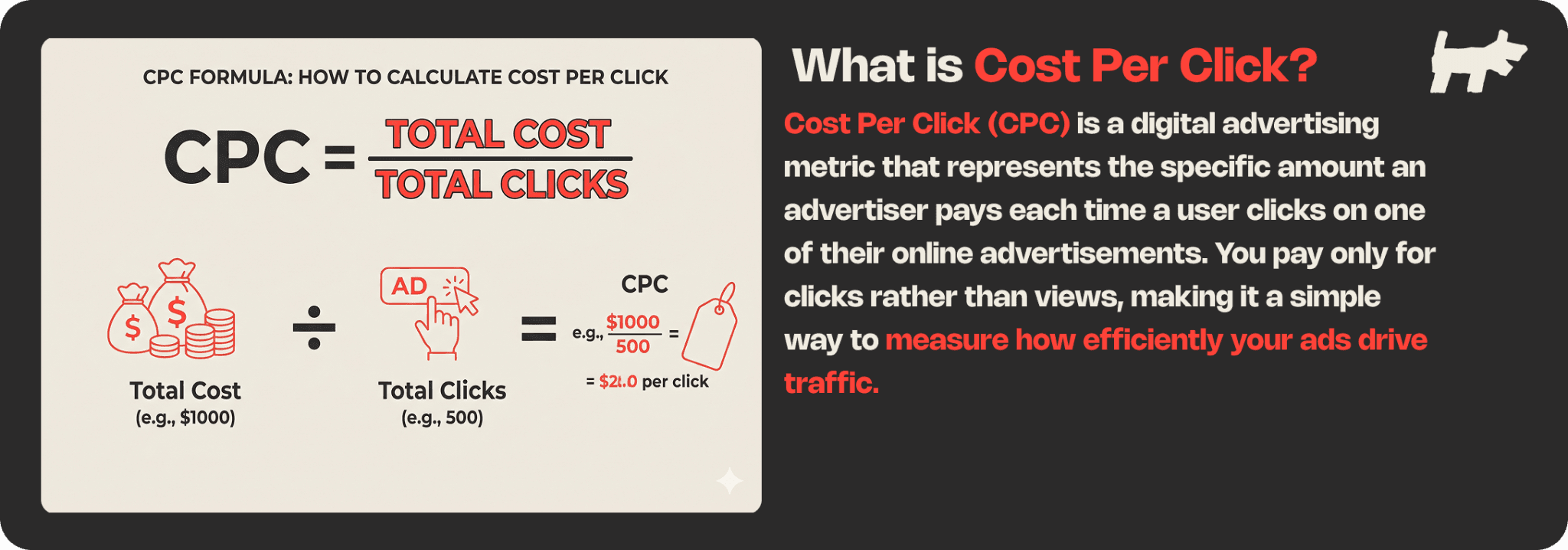
LinkedIn CPC is higher than Facebook, that's a fact and it won't change. But it's been stable for years, while Facebook's CPC has risen repeatedly. And more importantly, the comparison that matters isn't CPC. It's cost per marketing-qualified lead.
If your deal size is above €13,000 and your customer lifetime value is meaningful, LinkedIn's higher CPC becomes irrelevant once you factor in the quality difference. The math only breaks down when deal sizes are small or sales cycles are short. In those cases, Facebook or Google Search will outperform.
The other thing to get right before spending: most LinkedIn leads are not sales-ready. LinkedIn is a discovery and education platform. Pushing a demo CTA to a cold audience wastes budget. The two things that work best are brand awareness content and free-value offers like guides, whitepapers and checklists that collect email addresses and move people into a nurture sequence.
The 4 LinkedIn ad formats
Sponsored content appears natively in the LinkedIn feed. It looks like a post from your company page, boosted to a targeted audience. It's the most versatile format and the right starting point for most campaigns. Keep headlines under 150 characters and images at 1200 x 627 pixels.
Text ads appear in the right-hand rail of the desktop feed. They're small, cheap, and low-reach. Use them for retargeting warm audiences who already know your brand.
Sponsored InMail (Message Ads) sends a personalized message directly to a user's LinkedIn inbox via your personal account. It only delivers when the recipient is active, which improves open rates. This format works well for high-value, direct outreach, like webinar invitations, exclusive reports, and personalized offers.
Display ads appear in banner positions on the desktop interface. High visibility, but they require stronger creative to break through. Best used for brand awareness at the top of funnel.
5 tips to increase your conversion rate on LinkedIn
1. Optimise your company page first. Your ad drives curiosity. People will check your profile before they click a CTA. A sparse or outdated company page kills conversions that your ad budget already paid for.
2. Define one objective per campaign. LinkedIn gives you 7 objectives: brand awareness, video views, website visits, engagement, lead generation, website conversions, and job applicants. Pick one and build the ad around it. Campaigns trying to do two things at once do neither well.
3. Match the offer to the funnel stage. Cold audience = brand content or free resource. Warm audience (retargeting) = case study or demo offer. Hot audience (matched from CRM) = direct sales conversation. The mismatch between offer and intent is the most common reason LinkedIn campaigns underperform.
4. Build your audience with precision, then check the estimated reach. LinkedIn will tell you if your audience is too narrow (under 50,000 is risky for awareness campaigns). Layer in 2 to 3 targeting criteria and check that your ICP is actually inside the estimated audience before launching.
5. Track beyond the platform. LinkedIn's native analytics tracks CPC and CTR. But for cost per lead, cost per marketing-qualified lead, and pipeline influence, you need Google Analytics and your CRM connected. Without those layers, you're optimising for clicks, not revenue.
LinkedIn as brand awareness platform
LinkedIn is not the cheapest B2B advertising channel. It is the most precise. Teams that treat it as a brand awareness and education platform consistently get pipeline from it. Start with sponsored content, give the audience something valuable, and measure all the way through to the opportunities created.