What are keywords, SEO and SERP?
Before opening Ahrefs, it helps to be clear on three terms that come up constantly.
A keyword is the word or phrase someone types into a search engine. Your content needs to use the same language your audience uses, not your internal product language, not industry jargon, but the exact phrase someone types at 9pm when they have a problem.
SEO (Search Engine Optimization) is the discipline of making your content rank in the top 10 organic results on Google, without paying for placement. The alternative, paying Google directly for top placement, is SEA (Search Engine Advertising). Both have their place, but SEO compounds over time: a well-ranked article keeps driving traffic for years at no incremental cost.
SERP (Search Engine Results Page) is the page Google returns after a search. The first result on a SERP captures roughly 28% of all clicks. Position 10 captures about 2.5%. Everything on page 2 gets functionally nothing. That distribution is why ranking position matters so much.
Step 1: Find your seed keywords
Open Ahrefs Keywords Explorer and start with a brainstorm. Write down every word and phrase that describes your topic, not as you'd describe it internally, but as a customer would describe it when they have a problem.
For a business selling paint, the seed list might include: paint, wall paint, types of paint, exterior paint, interior paint, paint for wood. These are broad starting points, not final keywords.
Enter all of them into Keywords Explorer and click "Having same terms." This returns a list of every keyword in Ahrefs' database that contains one or more of your seed words. For most topics, this generates thousands of results.
Step 2: Add search intent modifiers
Raw keyword lists are noisy. The most efficient way to filter them is to match them to search intent, which is the underlying reason someone is searching.
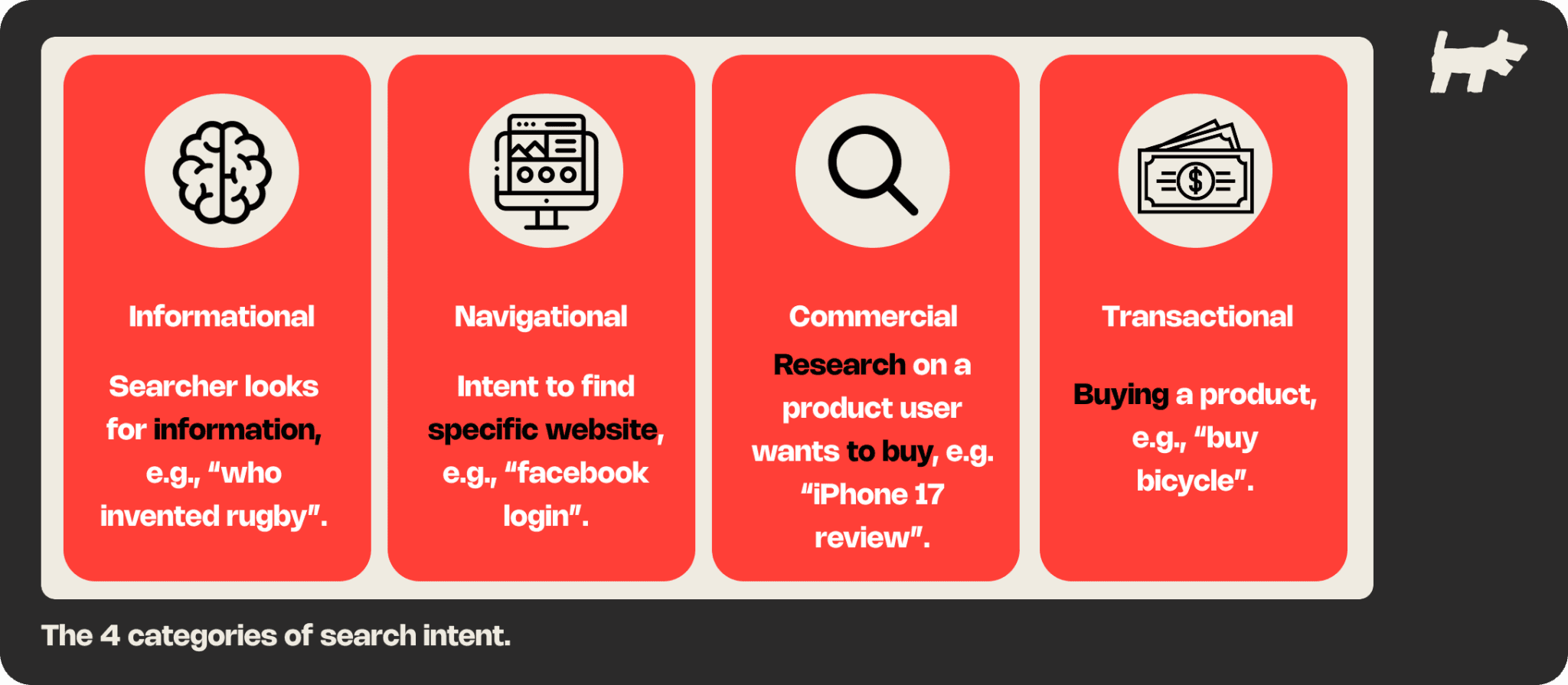
For each intent, there are modifier words that signal it. Informational queries often include: what, how, why, guide, tutorial, types of, explained. Transactional queries include: buy, order, cheap, price, near me. Paste the modifiers matching your target intent into Ahrefs' include filter. This dramatically shortens your list to keywords that match what your content is actually trying to do.
Step 3: Filter by Keyword Difficulty and volume
With intent modifiers applied, add two more filters.
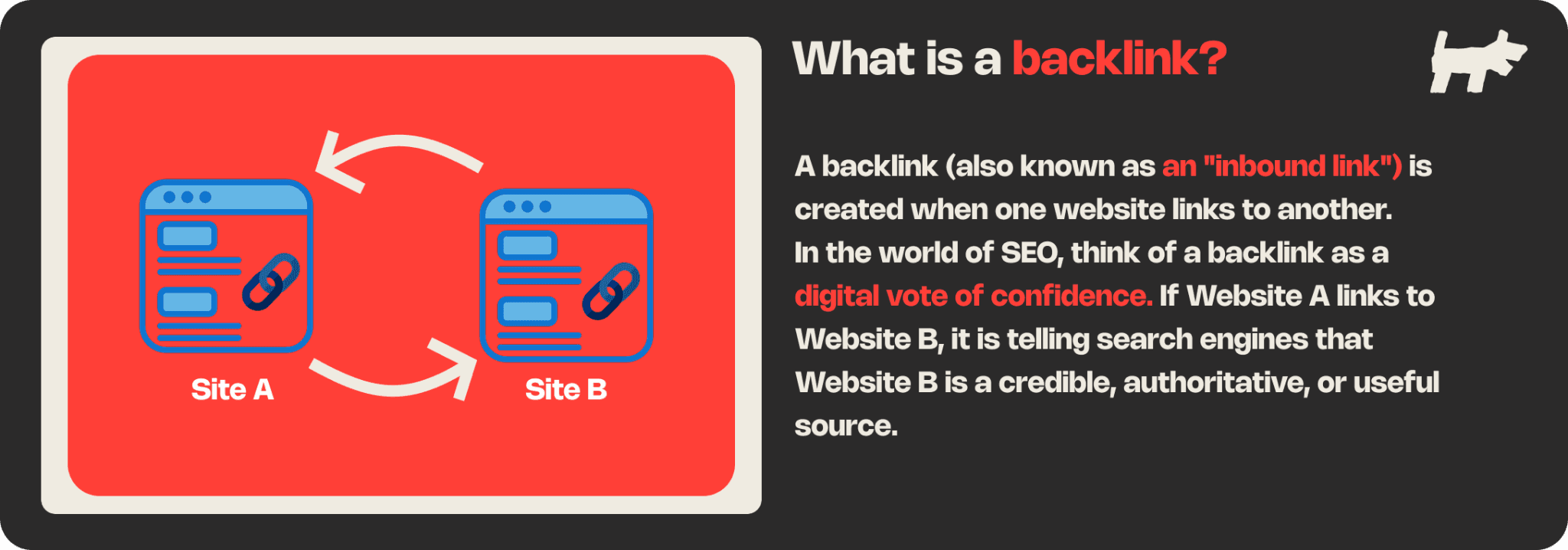
Keyword Difficulty (KD) is Ahrefs' estimate of how many backlinks you'd need to rank in the top 10 for a given keyword. A KD under 20 means you can rank with little to no backlink building. A KD above 60 means you're competing against authoritative domains with hundreds of referring sites. For most small to mid-size businesses, targeting keywords with KD below 30 is the fastest path to ranking.
Search volume is the average monthly search count for a keyword in your target country. Set a minimum of 1,000 monthly searches. Below that, even a top-3 ranking generates modest traffic. The sweet spot is a keyword with KD under 30 and volume above 1,000.
Play with these filters. Raise the volume floor, lower the KD ceiling, and see what remains. You're looking for 3 to 5 strong keyword candidates for a given content piece.
Step 4: Analyse the SERP before you write
KD is a useful proxy but it's not the whole picture. Before committing to a keyword, click the SERP button in Ahrefs to see the actual top 10 ranking pages. This shows you two things.
First, content format: are the top results long guides, product pages, short definitions, or listicles? If the top 10 are all definitional short-form pages and you're planning a 3,000-word guide, you may be writing the wrong thing. Match the format to what's already winning.
Second, link profile: check the Domain Rating (DR) and number of referring domains for each result. If the #1 result has DR 90 and 400 referring domains and you're starting at DR 15, that keyword might not be winnable yet. But if the #3 result has DR 20 and 4 referring domains and is still ranking, that's your signal: this is a keyword where content quality beats link volume.
The combination of low KD, strong volume, correct intent, and a beatable SERP is what makes a keyword worth targeting.
Ahrefs is the key(word)
Keyword research is not a one-time setup task. It's the foundation every new content piece should be built on. An hour in Ahrefs before writing saves weeks of publishing content that ranks on page 4. Start with seeds, filter by intent, apply KD and volume thresholds, and check the SERP before you write.