What data-driven marketing actually is
Think of it this way: you know what your close friends like, so you know how to approach them. Data-driven marketing applies that same logic at scale. It collects the information, interprets the signals, and uses the insights to predict customer needs and behaviors It then builds personalized offers around them.
The result is a feedback loop rather than a one-shot campaign. Every action generates data. That data informs the next decision. Over time, your marketing gets sharper, not just louder.
Traditional marketing vs data-driven marketing
Traditional marketing follows a three-step model: study the audience through existing research or focus groups, identify their problems, and create a message to reach them. The plan is reasonable in theory. In practice it has 3 structural problems:
Time and cost. Extensive market research is slow. Focus groups add weeks and significant budget before a single ad runs.
Guess-driven decisions. Even well-run focus groups produce deductions based on personal judgment, not actual behaviour data. The research reflects what people say, not what they do.
No real measurement. When a campaign runs and either succeeds or fails, traditional marketing rarely has the tools to explain why. Without that explanation, the next campaign starts from scratch.
Data-driven marketing eliminates each of these problems:
It's faster. Tools like Google Analytics, Salesforce, and Meta Ads Manager collect real-time data on actual customer behaviour. No waiting for focus group scheduling.
It removes guesswork. By filtering demographic, geographic, behavioural, and psychographic data, you can segment audiences and personalise messages with precision.
It tells you why. If a campaign works, you know which element drove it. If it fails, you know where it broke. That knowledge compounds over time.
4 concrete benefits of data-driven marketing
1. Reduces decision stress
Gut-driven decisions put all the risk on the person making the call. When the campaign fails, it's their failure. When it works, there's no reliable way to repeat it. Data removes that weight. You build on evidence, not instinct, which means the process itself carries the accountability instead of one individual.
2. Targets the right customer at the right time
A rich customer database lets you identify which segments are most valuable and what they respond to. That data tells you not just what customers prefer, but which channels to use to reach them. The result is less wasted spend and better customer experience. Both improve ROI.
3. Personalisation that actually converts
Customers have adapted to receiving personalized messages. They no longer respond well to generic campaigns. 74% of customers are frustrated when they see irrelevant brand content, and 79% won't consider an offer unless it's based on their previous interactions with the brand.
Brands that use data-driven personalisation report 5x to 8x higher ROI from their campaigns compared to generic equivalents. For context: a shoe brand that knows women aged 25 to 34 in their database buy winter boots every two years can time a personalized winter-themed campaign to that exact behaviour pattern. That campaign will outperform any mass-market creative running to the same audience.
For more on personalisation in practice, see our article on hyper-personalisation in marketing.
4. Improves the product, not just the campaign
The same data that tells you who to target also tells you what your product is missing. Which features cause drop-off? Which generate repeat purchases? What's causing customers to upgrade too quickly or not upgrade at all? Your database answers these questions before your product team has to guess.
5 examples of data-driven marketing in action
Example 1: Dynamic retargeting that triples ad effectiveness
Standard retargeting shows the same ad to anyone who's visited your site. Dynamic retargeting goes further: it automatically serves ads featuring the specific products each customer has already viewed or added to their cart. Combined with an offer like free shipping or a time-limited discount, this approach dramatically outperforms generic retargeting because the ad is built from the customer's own browsing history.

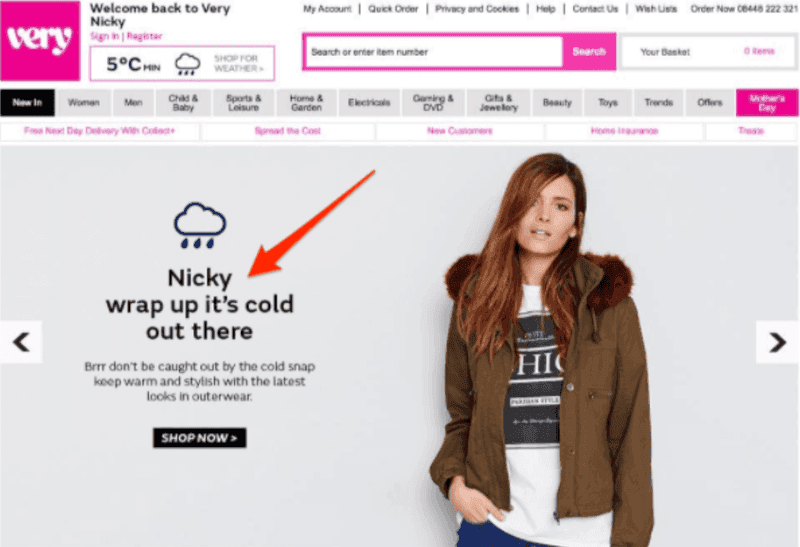
Example 2: Weather data that lifted conversions at Very.co.uk
Very.co.uk built a campaign that matched product recommendations to the current weather in each customer's location. A customer in a cold region got outerwear recommendations on cold days, with the message personalised by name. The relevance was immediate and obvious. It worked because the data was real, not assumed.
Example 3: A live chat that increased conversions by 211%
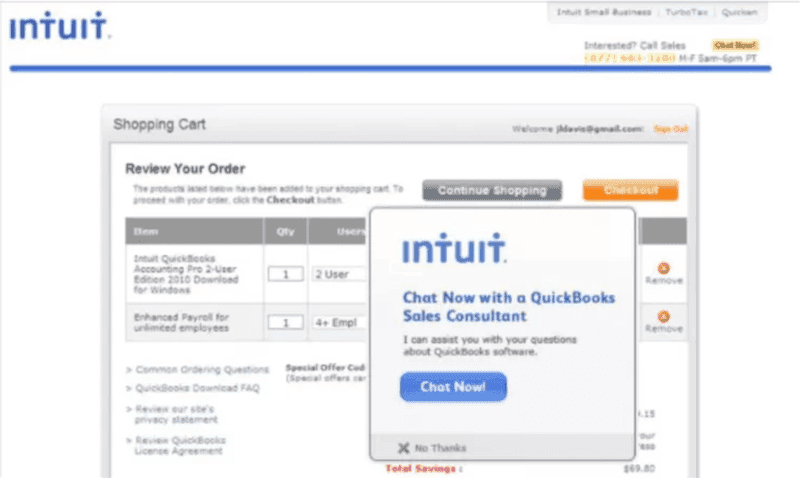
Intuit's QuickBooks team noticed customers were frequently upgrading their product shortly after purchase. When they dug into the data, they found the real problem: customers were buying the wrong version because they couldn't compare options clearly before checkout. Intuit added a "Review your order" step and a live chat on the product comparison page. The result was a 211% increase in conversions. Not from a new campaign, but from reading what the data was already saying.
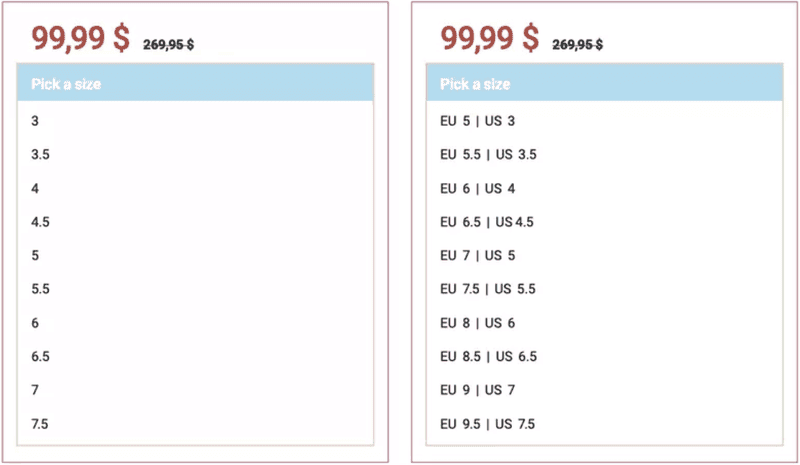
Example 4: A size chart change that added 15% conversions
An ecommerce brand noticed one product page was consistently underperforming every other page. Google Analytics flagged the drop-off rate, and session recordings via Hotjar showed where customers were abandoning. The friction point was a size chart that only showed US sizes. Adding EU sizes resolved the confusion. Conversions on that page increased 15%.
This is the pattern we follow in our growth marketing process: data surfaces the problem, hypothesis defines the fix, test proves it.
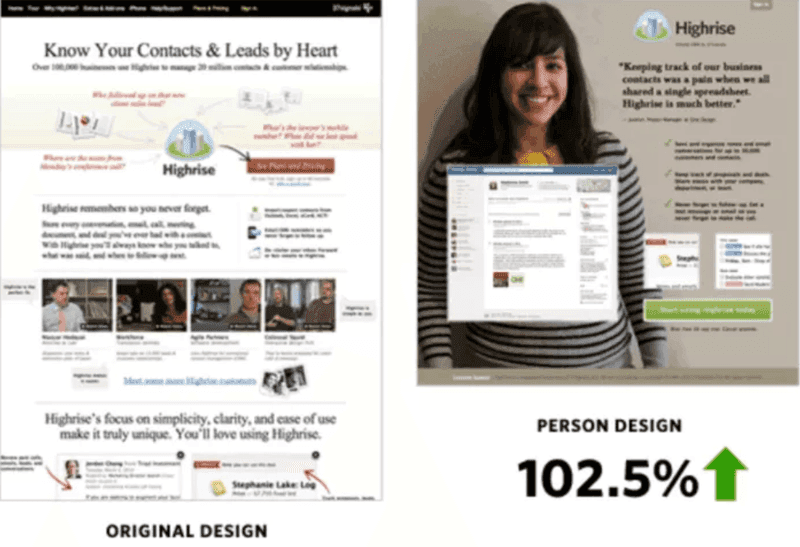
Example 5: One image that increased sign-ups by 102%
Basecamp (then called 37signals) tried multiple landing page variants without finding a significant winner. Their analytics showed the page wasn't converting, but the page itself looked fine. After testing, they added a single smiling photo of a real person to the hero section. Sign-ups increased by 102.5%. Not a new offer, not a rewritten headline. Just a human face in the right place.
Why data-driven marketing and growth marketing belong together
At Fightclub, we run data-driven marketing through what we call the growth marketing approach. It rests on two pillars: measurement and experimentation.
Measurement means everything gets tracked. If we can't measure it, we don't run it. Every campaign has a KPI attached before it launches, not after. This ensures we know what success looks like and can identify exactly what drove it.
Experimentation replaces the big quarterly bet. Instead of committing a significant budget to one idea and hoping it works, we run short, hypothesis-driven tests. Each experiment runs for one to two weeks, targets a specific metric, and produces a clear outcome: scale it, pivot it, or kill it and take the learning.
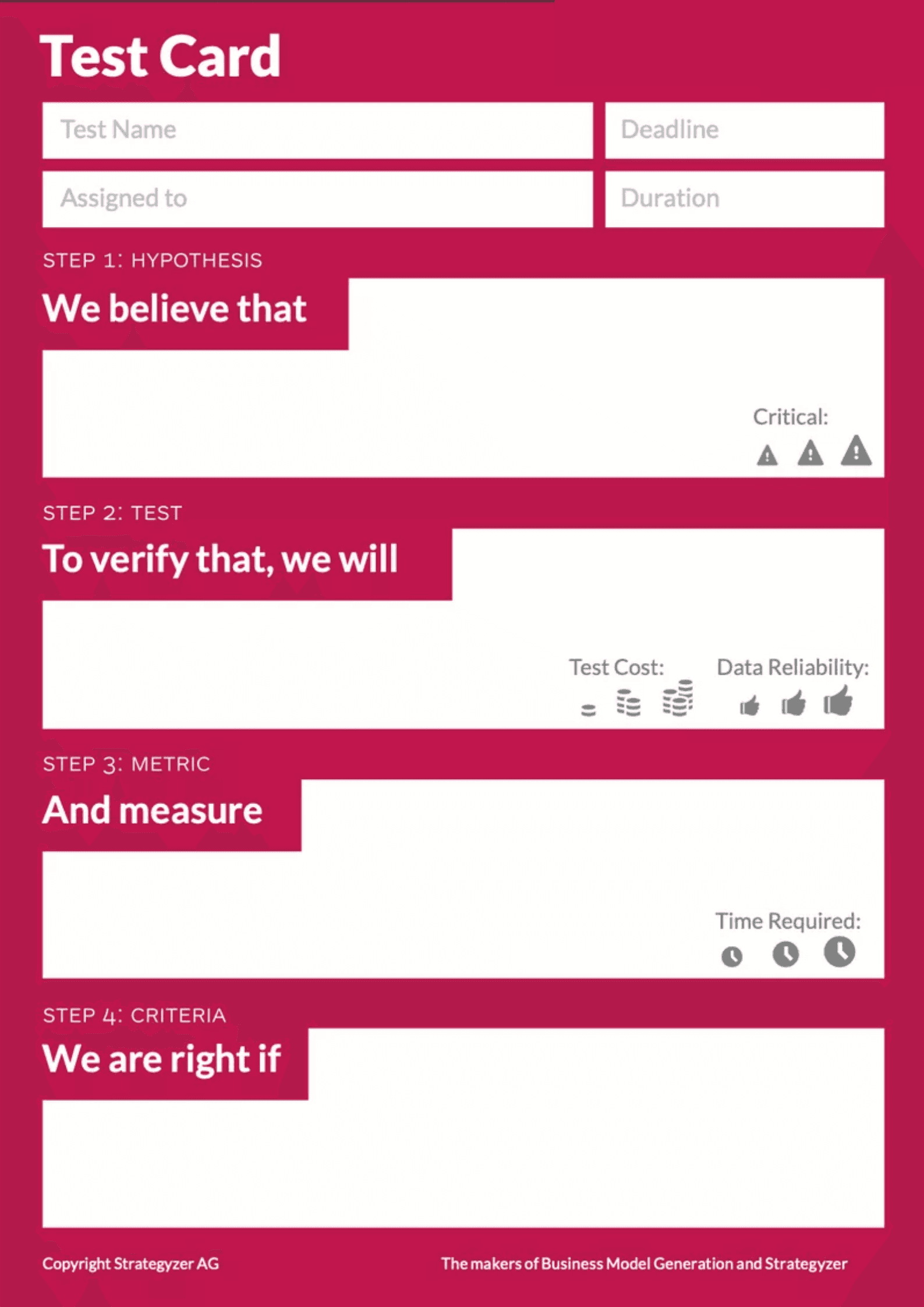
The cycle looks like this:
Find ideas based on existing data and customer signals
Prioritize the actionable ones using impact vs. effort scoring
Test with a contained budget and a defined success metric
Implement what works: scale the winners
Kill or pivot what does not work. Take the learning into the next round
We've implemented this approach for Unilever, P&G, Neuhaus, and dozens of other brands. For a closer look at how the process runs in practice, read our breakdown of growth hacking examples or explore the growth marketing vs growth hacking distinction.
The industry agrees
The numbers behind data-driven marketing are consistent across sources:
40% of organisations plan to increase their data-driven marketing budgets
64% of marketers say data-driven strategies are now central to their approach
2 in 3 marketers report data-driven decisions outperform gut-driven ones
Brands using data-driven personalisation report 5x to 8x ROI on campaign spend
76% of marketing leaders base their decisions primarily on data analytics
If you want to understand what that looks like at the attribution level (how to know which touchpoints actually drove conversions), our marketing attribution models breakdown is a useful next read.
Data-driven marketing tells you where you went wrong
The biggest cost of traditional marketing is not the failed campaigns. It is not knowing why they failed. Data-driven marketing fixes that. It gives your team a shared language, a feedback loop, and a reason to act with confidence instead of anxiety.
You don't need to become a data scientist to get started. You need a clear goal, the right tools to measure it, and the discipline to run campaigns as experiments rather than bets.